Resource Center

Explore our collection of articles, project updates, research summaries, and technical resources covering vertical solar, agrivoltaics, and the evolving solar industry.

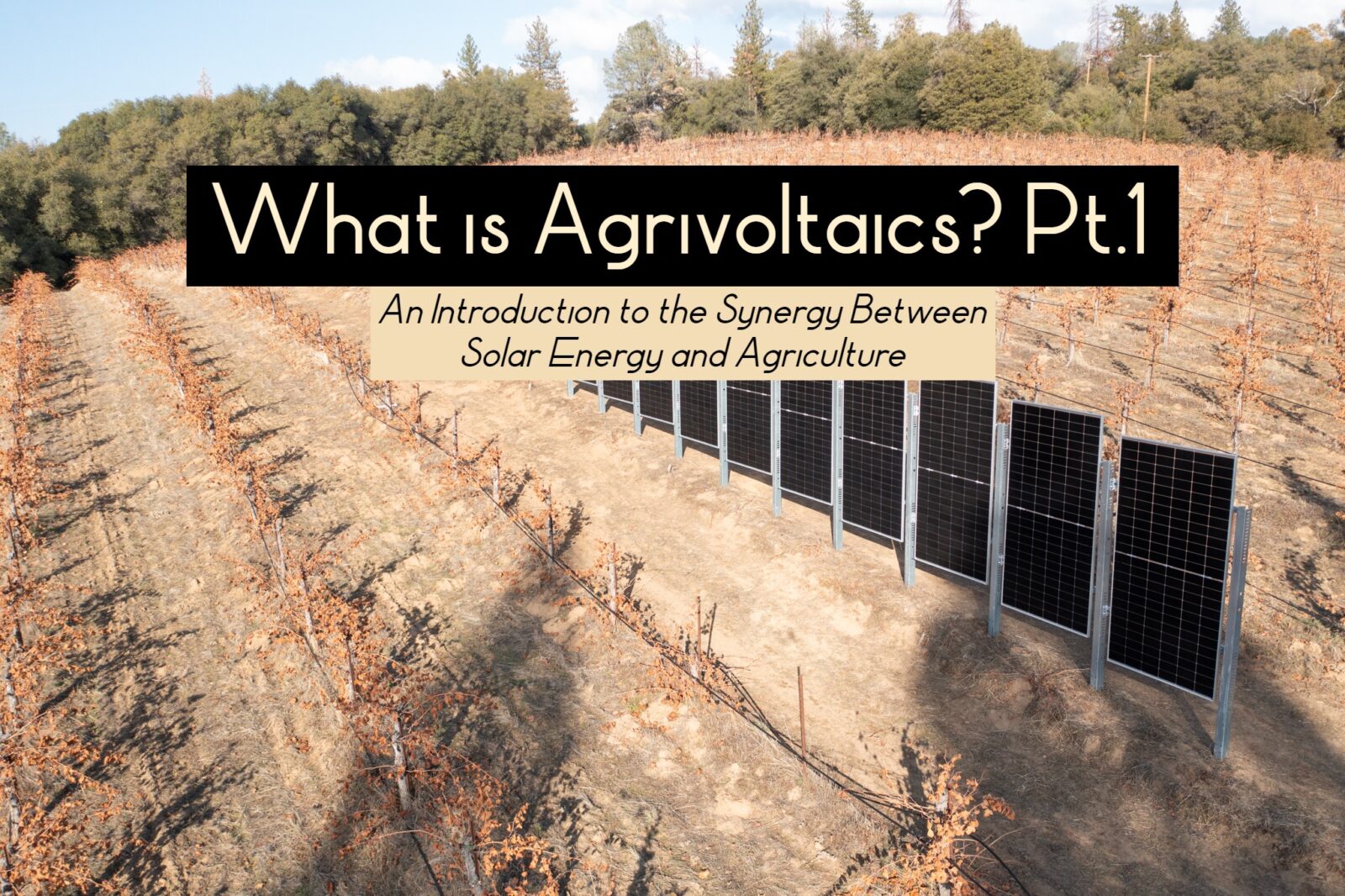
In the face of the pressing demand for sustainable and efficient energy solutions worldwide, agrivoltaics emerges as a pioneering concept at the intersection of agriculture and renewable energy. This innovative approach harnesses the power of the sun while coexisting harmoniously with agricultural practices. In this first part of our two-piece introduction to agrivoltaics, we explore the motivations driving the adoption of agrivoltaics and its vast potential to revolutionize land use. The second part will discuss diverse system types that have emerged, the challenges faced, and noteworthy pioneering projects that showcase the transformative power of this sustainable technology.

The Motivation for Agrivoltaics

We know everything about the main driver behind the development of Agrivoltaics: It’s called climate change.The aim of Agrivoltaics is to limit global warming and at the same time minimize its damage. To this end, Agrivoltaics is working on the Water-Energy-Food Nexus. But what is that all about?

Climate Crisis is a Water Crisis

The climate crisis is a water crisis. The effects of this crisis include heavy rainfall, which causes flooding, erosion and landslides. Extreme weather events like hurricanes, cyclones and typhoons cause damage to infrastructure, loss of life and pollution of water sources through flooding and runoff.

At the same time, higher temperatures lead to droughts, drying up of lakes, rivers and reservoirs, which affects the availability of freshwater and leads to water scarcity. Agriculture is severely affected by all these consequences for people and the planet: Agriculture consumes 72% of all withdrawn freshwater resources (UN Water).

In order to mitigate the most severe effects of climate change, greenhouse gas emissions must achieve a state of net-zero by 2050. Since fossil fuels account for almost 90% of all carbon dioxide emissions, renewable energies must be expanded massively (United Nations).
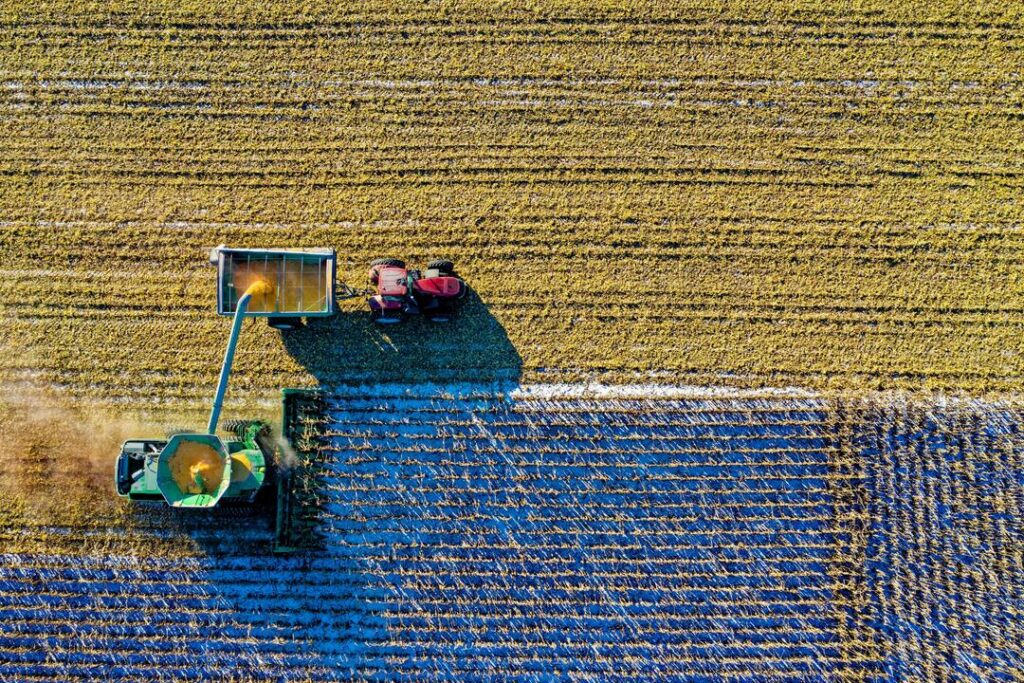
Agriculture is severely affected by climate change

Situation of the Farmers

Climate change is not the only threat to farmers. They have to compete on a global market with low prices, which makes it difficult to run their business in a sustainable way, both financially and environmentally.

Protests

The stress that farmers have to deal with varies from country to country, depending on the local climate and economic conditions. Currently, farmers in France block the highways around Paris, protesting against the low income they generate under the prevailing structure of the food market (The Guardian). The situation in Germany is similar: Farmers protest nationwide reacting to an announcement of the German Government. It had planned to cut subsidies for diesel and vehicle tax (DW).

Protest of farmers in Hannover, Germany, 2024 (photograph made by Axel Hindemith, license)

Dependence on Subsidies

Those plans have been softened, however, the problems for European farmers are fundamental. They highly depend on subsidies given out by the EU (DW). For example, 70% of the available subsidies for German agriculture is given to farmers based on their farm size (Federal Information Center Agriculture), which favors big companies. This may seem as a European problem, but the reality is that the EU is the biggest exporter of food and the third biggest importer worldwide (European Commission). So the European regulations on agriculture have a global impact. 

Let’s take a look at the situation in the US. The 2018 Farm Bill authorized $428 billion over the 5 year period from 2019-23 and was extended by President Biden (Economic Research Service). The Agriculture Improvement Act of 2018, commonly known as the 2018 Farm Bill, is a comprehensive piece of U.S. legislation that reauthorized significant funding for agricultural programs. Pros of the bill include its provision of support, certainty, and stability for farmers, ranchers, and forest managers, contributing to the overall resilience of the agricultural sector (USDA). Additionally, the bill addresses commodity support and introduces modifications to Department of Agriculture programs through FY2023, aiming to enhance the industry’s sustainability (Economic Research Service). However, critics argue that the bill’s allocation of funds and certain policy provisions may not effectively address pressing issues such as environmental concerns and income inequality among farmers. Balancing these perspectives is essential to understanding the multifaceted impact of the 2018 Farm Bill on the nation’s agricultural landscape.

The World is Growing

In addition to climate change, we are dealing with another global trend: A growing world population. And this population wants to be fed. To sustainably feed the projected population of over 9 billion by 2050, global food production would need to rise by 50% (Food and Agriculture Organization of the United Nations). Note that 735 Million people were undernourished in 2022 (Statistical Federal Office) and climate changes leads to a loss of 10 million hectares of arable land every year (Environmental Federal Office) while nutritional values of food fall (National Geographic).

How to Face the Dilemma? 

Climate change and the growing world population seem to be leading to a dilemma. On the one hand, the energy industry needs land to expand renewable energies such as wind power and photovoltaics. On the other hand, agriculture needs to produce more food under more difficult conditions. One might think that a competition for land use is emerging. But the supposed dilemma is not one, because it has a solution: Agrivoltaics.

The Potential of Agrivoltaics

By combining food production and renewable energy generation on the same land, an agrivoltaics configuration increases the land use efficiency. At the same time, the causes of the climate crisis are being addressed and its inevitable consequences mitigated. Let’s illustrate this with an example: 

A farmer is using his land 100% to cultivate crops. They might receive an offer from a solar company to rededicate the land, stop producing food and instead install 100% solar panels to earn money by leasing the land to the solar company. This is the situation of an apparent land use conflict: 100% agriculture or 100% solar power?

Now let’s take a look at how an agrivoltaics system would change the situation. By installing a solar system that allows the cultivation of crops under or between the panels, for instance, the farmer might install solar panels with 83% of the power compared to a traditional solar system. The slightly decreased power is due to the specifics of a solar system being designed for agricultural uses compared to an optimized system which doesn’t allow agricultural activities.

How would such a system affect the crop yield? 

This highly depends on the specific crop and the climate conditions of the region where the crops are grown. With potatoes, for example, the farmer might even see a higher yield in a hot dry year due to UV stress reduction caused by shading provided by the solar panels. Let’s say the crop yield rises to 103% compared to a field without solar panels. (Numbers from: Fraunhofer).

Summarized: Instead of choosing between 100% crop yield or 100% energy yield, the farmer gets 186% combined both food and electricity production. This is how agrivoltaics increase land use efficiency.

Knowledge Murphy (American Farmland Trust) on the economic potential of agrivoltaics

How Both Farmers and Solar Developers Benefit

By utilizing the higher land use efficiency of agrivoltaics compared to a traditional set up, both farmers and solar developers can profit. Here is an overview of the potential benefits:

Benefits for Farmers:

  • Resilience to Climate change
  • Ability to stay in production under stressed climate conditions
  • Potential for a higher crop yield
  • Shading for workers, crops and cattle
  • Wind protection
  • Less soil erosion
  • Hail Protection
  • Additional Source of income

Benefits for Solar Developers:

  • Higher panel efficiency due to the cooling microclimate under the panels
  • Cooling effect and higher yield of vertical panels due to a higher heat transfer coefficient (PV Magazine)
  • Obtain permissions by local authorities to develop solar projects because agricultural production can be maintained
  • Grid serving production curve of vertical bifacial panels facing east and west

The Potential for the US and Worldwide

Agrivoltaics offer a solution to promote the expansion of renewable energies and at the same time strengthen the resilience of agriculture. But how high is the land potential and how much land is needed to achieve the expansion targets?

For the US, the Biden-Harris Administration has established an objective to achieve decarbonization of the electricity sector by 2035. Solar energy, currently contributing approximately 4% to the U.S. electricity supply, plays a pivotal role in realizing this decarbonization goal. According to the Solar Futures Study conducted by the U.S. Department of Energy, it is projected that solar energy could potentially account for up to 40% of U.S. electricity generation by 2035. To achieve this significant scale of solar deployment, an estimated 5.7 million acres, equivalent to 0.3% of the contiguous land area in the United States, may be required (Office of Energy Efficiency and Renewable Energies).

In addition to various other installation types, agrivoltaics can play a role in advancing these initiatives, potentially leading to an increase in photovoltaic (PV) power ranging from 40 to 70 GW. This boost could be achieved solely by converting lettuce cultivation to agrivoltaic systems in the United States (H. Dinesh, J.M. Pearce).

Forecasts from other parts of the world are similarly optimistic. Researchers from Denmark have investigated the potential for Europe. They came to the conclusion that agrivoltaic systems have the potential to generate electricity that is 25 times the current electricity demand in Europe (PV Magazine). The potential of this technology is enormous and only a fraction of the agricultural land would be needed to make a significant contribution to a sustainable energy supply.

Conclusion

Rising temperatures, water shortages and heavy rainfalls are threatening agriculture fundamentally. At the same time, a growing world population and competitive global markets put additional pressure on farmers’ shoulders. Agrivoltaics, the combination of agriculture and solar PV has an enormous potential to protect agriculture productivity and profitability while mitigating climate crisis by generating renewable energy. But what does the concrete technical implementation look like? And which pioneering projects harness the power of the sun twice already today? Those questions will be answered in the second part of our article series “What is Agrivoltaics”.
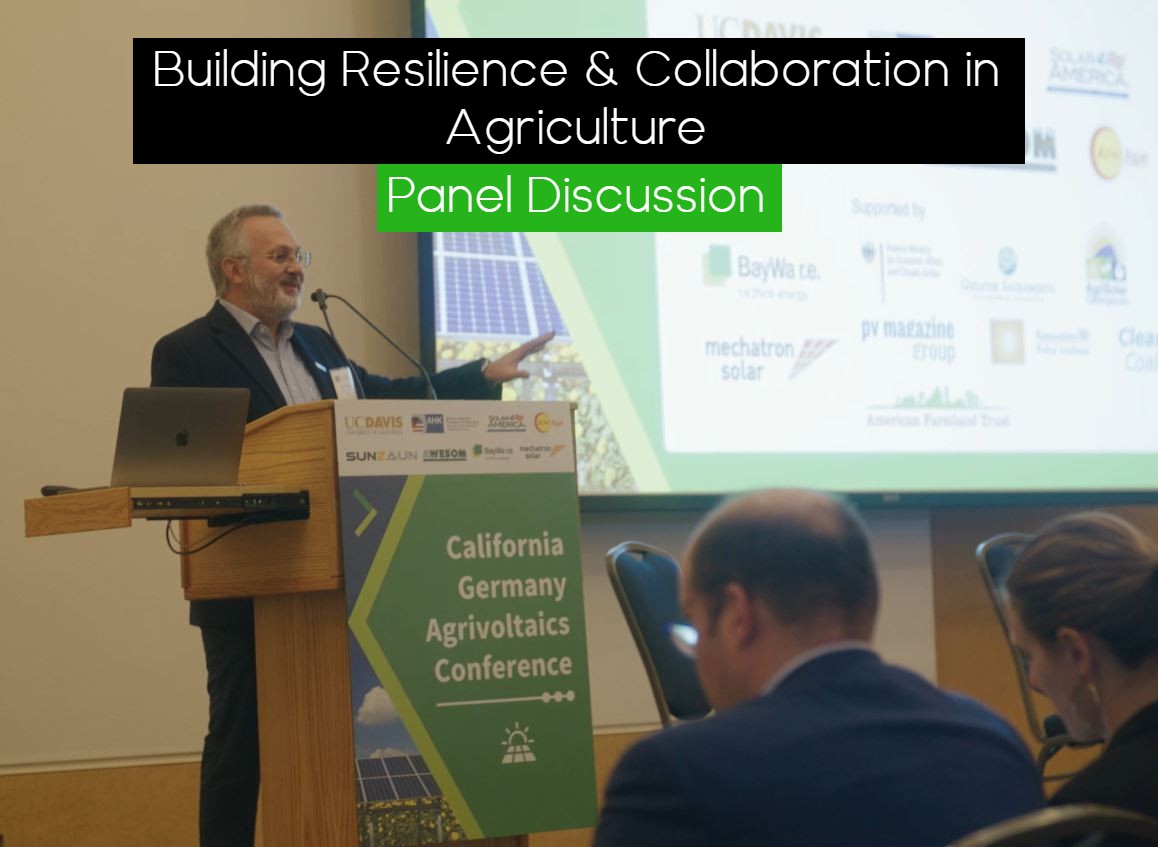
The first Transatlantic #agrisolar Conference, joined by high-level representatives from energy, agriculture, policy, and research to pave the future for agrivoltaics. Questions we will tackle: What are the benefits of agrivoltaics, especially for #farmers and #developers ? How can they contribute to farm optimization? Which kinds of technologies already exist and what are the types of agrivoltaics #pvs ? How can agrivoltaics align #resilience and #sustainability ? See how Professor Majdi Abou Najm from UC Davis, Franz Feuerherdt from Solar 4 America, Helge Biernath from Sunzaun Sunstall, Knowledge Murphy from the American Farm trust and Kevin Logue untangle the challenges around #agsolar.

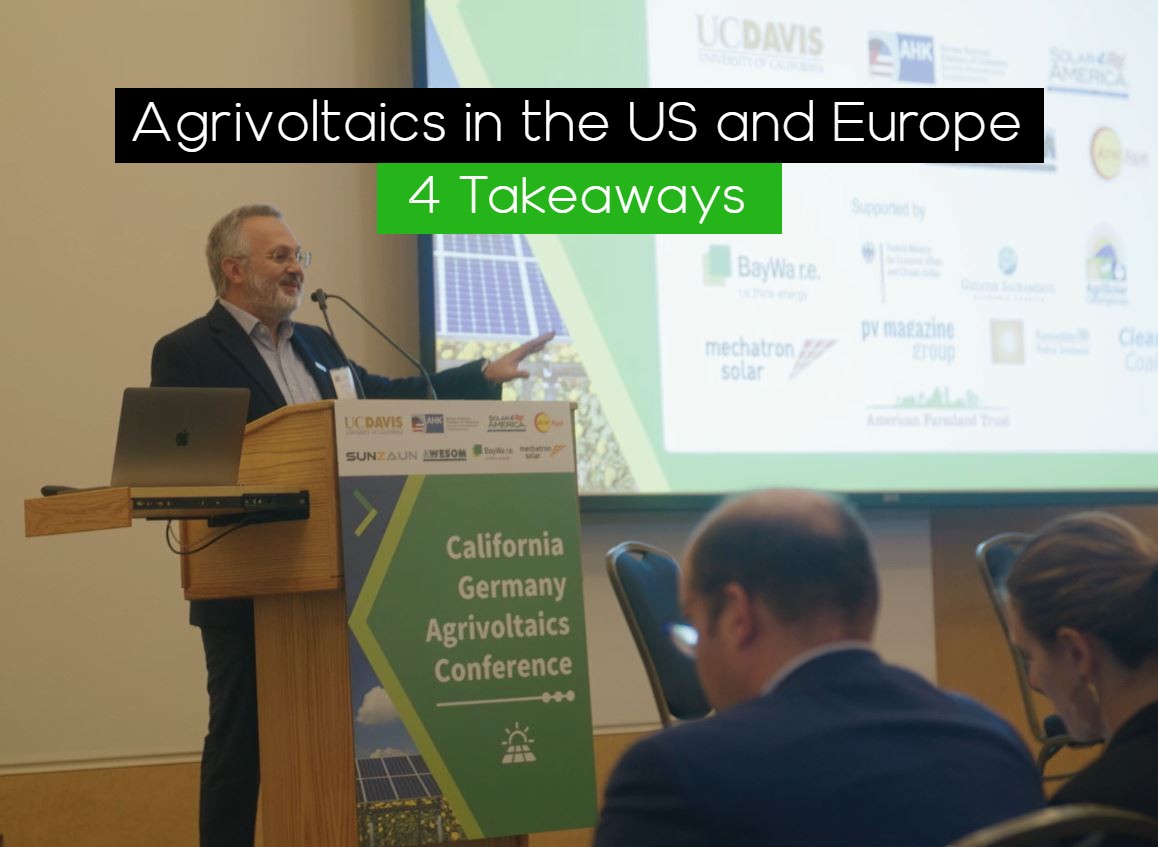
Exploring the intersection of agriculture and renewable energy, the recent California Germany Agrivoltaics Conference at University of California, Davis, provided a platform for experts, researchers, and enthusiasts to delve into the groundbreaking fusion of solar technology and farming practices. Amidst the discussions and presentations, four standout takeaways emerged, illuminating the potential of agrivoltaics in revolutionizing our approach to land use, energy generation, and sustainable food production. Join us as we uncover the key insights gleaned from this enlightening conference and their implications for a more resilient and eco-friendly future and how California and Germany can learn from each other.

1. There Will Be 9 Billion People – The World Needs Resilient Farming

As the world population steadily grows, the impacts of climate change present a significant challenge to food production, potentially disrupting agricultural stability and raising concerns about global food security. This is also reflected in the United Nations Sustainable Development Goals, the following of which recognize the importance of a resilient food supply:

  • Zero Hunger (The food demand will increase by 60% until 2050)
  • Clean Water and Sanitation (Worldwide a 40% higher water demand is expected)
  • Affordable and Clean Energy (The energy demand will grow by 50%)
  • Sustainable Cities and Communities (In 2050 there will be 2 Billion more urbanites)

The nexus of food, water, and energy represents the interconnected relationship between these vital resources, highlighting the dependency and impact each has on the others. Agrivoltaics emerges as a promising solution within this nexus, offering a harmonious convergence between agricultural productivity, renewable energy generation, and efficient water usage. By integrating solar panels within agricultural spaces, agrivoltaics enables the dual use of land, maximizing its utility. 

“There is a lot to learn from the European experience, we don’t need to reinvent the wheel”

Majdi Abou Najm, Associate Professor of Soil Biophysics at University of California, Davis

The shade provided by solar panels reduces water evaporation, fostering a more conducive environment for crops while concurrently generating clean energy. This approach optimizes land use, mitigates water scarcity issues, and bolsters renewable energy production, offering a sustainable pathway to address the challenges at the intersection of food, water, and energy. Through agrivoltaics, the synergy between these essential resources can be harnessed to create a more resilient and environmentally conscious system. In addition to the enormous potential, the implementation of this innovative approach also poses a number of challenges, but there is “a lot to learn from the European experience, we don’t need to reinvent the wheel” says Majdi Abou Najm, Associate Professor of Soil Biophysics at University of California, Davis.

2. Europe Is Far Ahead – The U.S. Should Catch Up Soon

European countries have been increasingly adopting this innovative approach to address land use challenges and bolster renewable energy production. Countries like Germany, France, Spain, and the Netherlands have implemented agrivoltaic systems, utilizing farmland to simultaneously generate solar energy and cultivate crops. These initiatives showcase the potential for dual land use, optimizing land productivity and contributing to the region’s renewable energy goals. As Europe continues to prioritize sustainability, agrivoltaics stands as a promising pathway towards achieving energy targets while supporting agricultural resilience in the face of changing environmental dynamics.

“We need to bring it out of the labs at the universities into the world and deploy it like a product”

Sebastian Wicklein, Director, Business Development and R&D Coordination at Fraunhofer USA Inc.

In Germany for instance, the Fraunhofer Institute’s APV-Obstbau (Orcharding) research project focuses on the development and implementation of photovoltaic systems specifically for orchards. The aim is to make optimum use of agricultural land by installing solar systems above the fruit trees. This innovative method not only enables the simultaneous production of renewable energy and the management of orchards, but also aims to protect the plants from extreme weather conditions. The project takes a holistic approach to maximize orchard yields, increase energy efficiency and promote sustainability in agriculture. The research conducted by the Fraunhofer Institute as part of the APV Fruit Growing project has the potential to transform the future of agricultural practices by combining innovative solutions to the challenges of producing food and renewable energy.

At University of California Davis, researchers have set up a test field where diverse plant species are grown under varying light conditions (read our blog article here). The field is equipped with light filters that record relevant data throughout the plant growth process. At the core of the research conducted by Prof. Majdi Abou Najm’s team is the question, how agrivoltaics can help conserve irrigation water and boost crop yield while providing renewable energy for the country.

3. Partnerships and Community Engagement are Key

Effective partnerships between researchers, solar developers, farmers, and policy makers are pivotal in driving innovation, optimizing land use, fostering sustainable practices, and shaping policies that integrate agrivoltaics seamlessly into agricultural landscapes for a greener future. It is just as important to involve local communities in the process in order to create acceptance and concepts that really work.

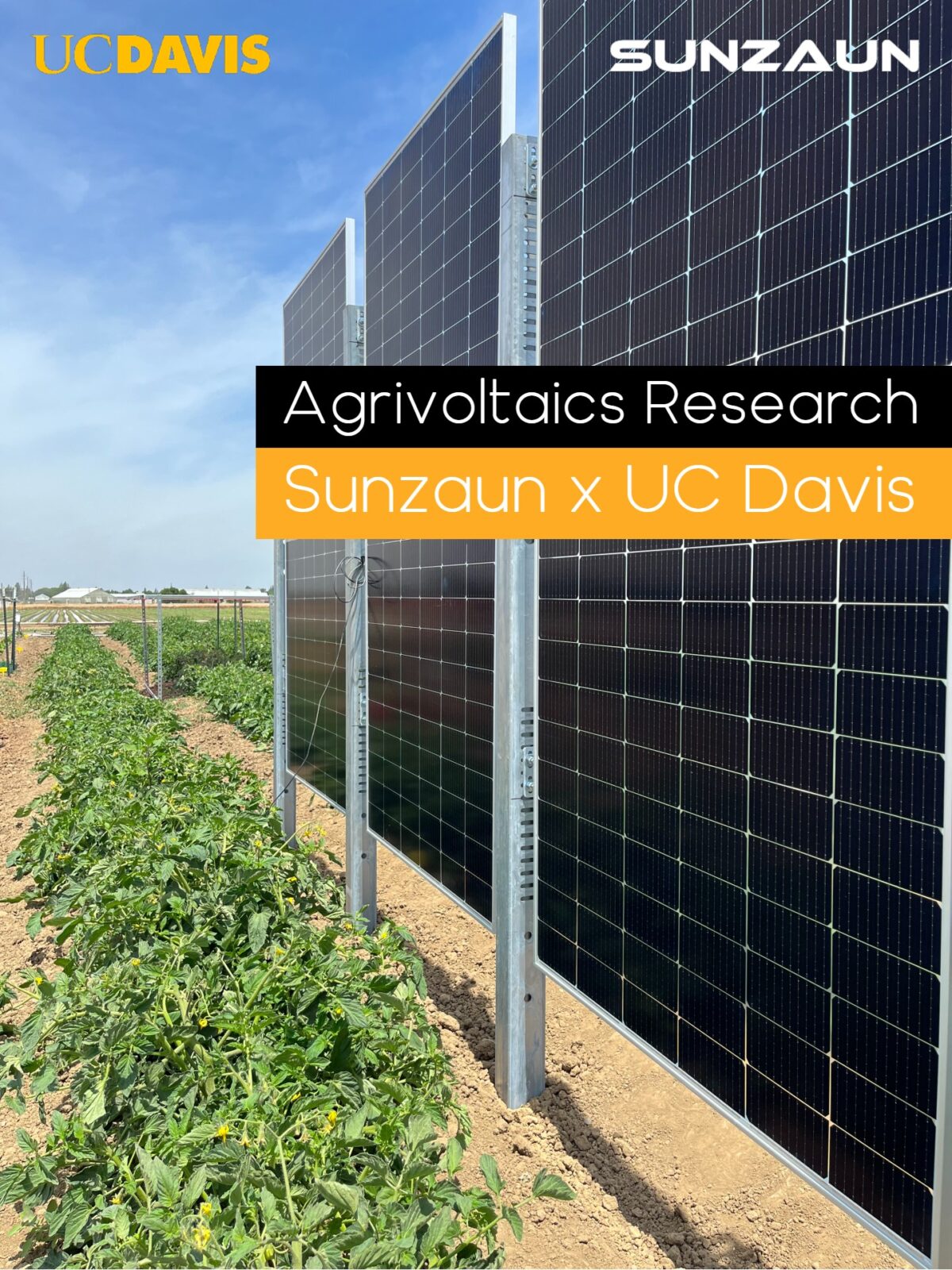
UC Davis agrivoltaics research project with Sunzaun installation

Community engagement for agrivoltaics involves fostering an inclusive dialogue and collaboration among local stakeholders, farmers, policymakers, and residents. It starts by educating and raising awareness within the community about the benefits and potential of agrivoltaics. Workshops, town hall meetings, and informational sessions can serve as platforms to share knowledge, address concerns, and gather feedback. Encouraging participation in the planning and implementation phases allows community members to voice their opinions, preferences, and needs, ensuring that agrivoltaic projects align with local contexts. Moreover, establishing transparent communication channels fosters trust and empowers the community to actively contribute to decision-making processes. Collaborative initiatives, such as community-owned agrivoltaic installations or profit-sharing models, can further solidify community engagement by providing direct involvement and economic benefits. Ultimately, a well-engaged community becomes an integral part of successful agrivoltaic projects, promoting sustainability, local support, and shared benefits for all involved parties.

4. We are in the Beginning of a 5th Agricultural Revolution

The history of mankind goes hand in hand with revolutionary developments in the way we do agriculture. Each agricultural revolution has brought about significant changes in farming methods, technology, and food production, shaping human societies and economies across different historical periods. Here is a short overview:

  • First Agricultural Revolution (10,000 BCE): This revolution marked the transition from hunting and gathering to settled agricultural communities.
  • Second Agricultural Revolution (17th to 19th century): The second revolution was characterized by advancements in agricultural technology and practices. Introduction of improved machinery and pesticides significantly increased agricultural productivity.
  • Green Revolution (Mid-20th Century): High-yielding varieties of crops, increased use of chemical fertilizers, pesticides, and improved irrigation methods were introduced. These innovations led to a dramatic increase in crop yields.
  • Precision Agriculture (Late 20th century to present): This revolution emphasizes the integration of technology and data-driven approaches into agriculture.

Agrivoltaics as a 5th revolution?

Agrivoltaics represents a potential paradigm shift in agriculture and energy production that could indeed be considered a potential fifth agricultural revolution due to its transformative impact. Creating dual use efficiency, optimizing resource utilization, enhancing sustainability and economic viability of farming mean a lot of potential transformation.

Agrivoltaics can make a significant contribution to strengthening agriculture against the challenges of the climate crisis, ensuring food security for a growing world population and at the same time supporting the ecological and social transformation through the expansion of renewable energies.

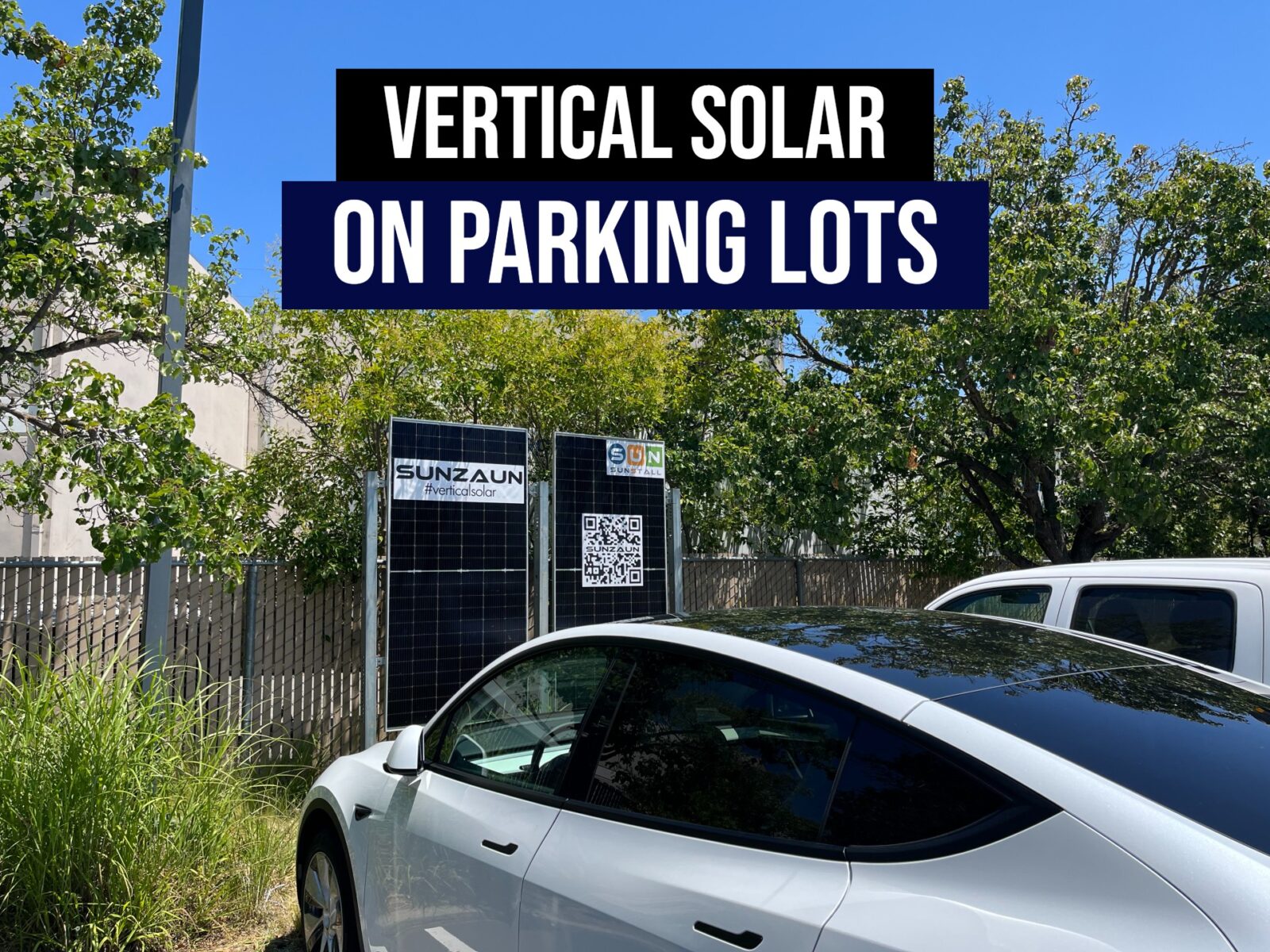
With the increasing popularity of electrical vehicles and the growing demand for renewable energy, finding solutions to harness solar power in limited urban spaces is becoming crucial. Sunzaun offers an innovative solution to this problem by introducing vertical solar arrays in parking areas. In this article, we will explore the key advantages of implementing vertical solar panels in your parking lot.

Innovative Vertical Design for Parking Lots

One of the main advantages of Sunzaun’s vertical solar panels is their innovative design, which allows for installation in parking lots where constructing a carport may not be feasible. Traditional solar panels are typically installed on rooftops or open fields, but Sunzaun’s vertical design makes it possible to utilize the vertical space available in parking areas.

By installing vertical solar panels, you can make the most of your parking lot without sacrificing the parking space. These panels are designed to be slim and vertical, taking up minimal horizontal space. This innovation revolutionizes solar panel installation and opens up new possibilities for solar energy utilization in urban areas.

A vertical solar system also contributes to the increased value of your property and demonstrates your commitment to environmental, social, and governance (ESG) practices.

Extra Income and Reduced Utility Expenses

Implementing vertical solar panels in your parking lot not only helps the environment but also provides you with additional financial benefits. The energy generated by the solar panels can create an extra income stream for you or help reduce your utility expenses, leading to improved grid independence.

By selling excess solar power back to the grid, you can generate revenue and offset the initial investment of installing the vertical solar panels. This not only reduces your carbon footprint but also contributes to a more sustainable financial future. Additionally, by relying on solar power for your parking lot’s energy needs, you can reduce your reliance on conventional energy sources and decrease your utility costs over time.

Increased Property Value and Alignment with ESG Standards

Investing in vertical solar panels for your parking area goes beyond providing financial benefits. It also contributes to the increased value of your property and demonstrates your commitment to environmental, social, and governance (ESG) practices.

As sustainability becomes a key factor in property valuation, properties equipped with renewable energy solutions like vertical solar panels tend to have higher market value and appeal to environmentally conscious buyers or tenants. By aligning with ESG standards and showcasing your efforts to reduce carbon emissions, you can attract a wider audience that recognizes the importance of sustainability.

Furthermore, implementing vertical solar panels can contribute to achieving LEED (Leadership in Energy and Environmental Design) green building certifications. LEED certifications are internationally recognized as a symbol of excellence in sustainable building practices. By installing vertical solar panels in your parking lot, you can enhance your property’s eligibility for LEED certifications, which further enhances its marketability and reputation.

Conclusion

Sunzaun’s vertical solar panels offer a game-changing solution to make the most of limited urban spaces and meet the growing demand for renewable energy. By utilizing vertical space in parking lots, you can install solar panels without compromising parking areas or requiring complex carport constructions. The advantages of implementing vertical solar panels include the innovative design for parking lots, extra income generation or reduced utility expenses, increased property value, and alignment with ESG standards.

If you are interested in learning more about Sunzaun’s vertical solar panels for parking lots and the numerous benefits they offer, we invite you to reach out to us. Our team is ready to assist you in exploring the possibilities of integrating vertical solar arrays into your parking area and contributing to a more sustainable and financially rewarding future.

The Challenge

As the world’s population continues to urbanize, the demand for energy in cities is growing rapidly. The electrical demand in urban areas in California is expected to increase by 30% in the next 10 years. This increase is being driven by a number of factors, including:

  • The growth of the population in urban areas
  • The increasing use of electric vehicles
  • The shift to heat pumps

The California Independent System Operator (#CAISO) projects that the state’s peak demand will reach 68,000 megawatts (MW) by 2030. This is up from 45,000 MW in 2020. The majority of this growth will be in urban areas, as these areas are home to the majority of the state’s population and economic activity.

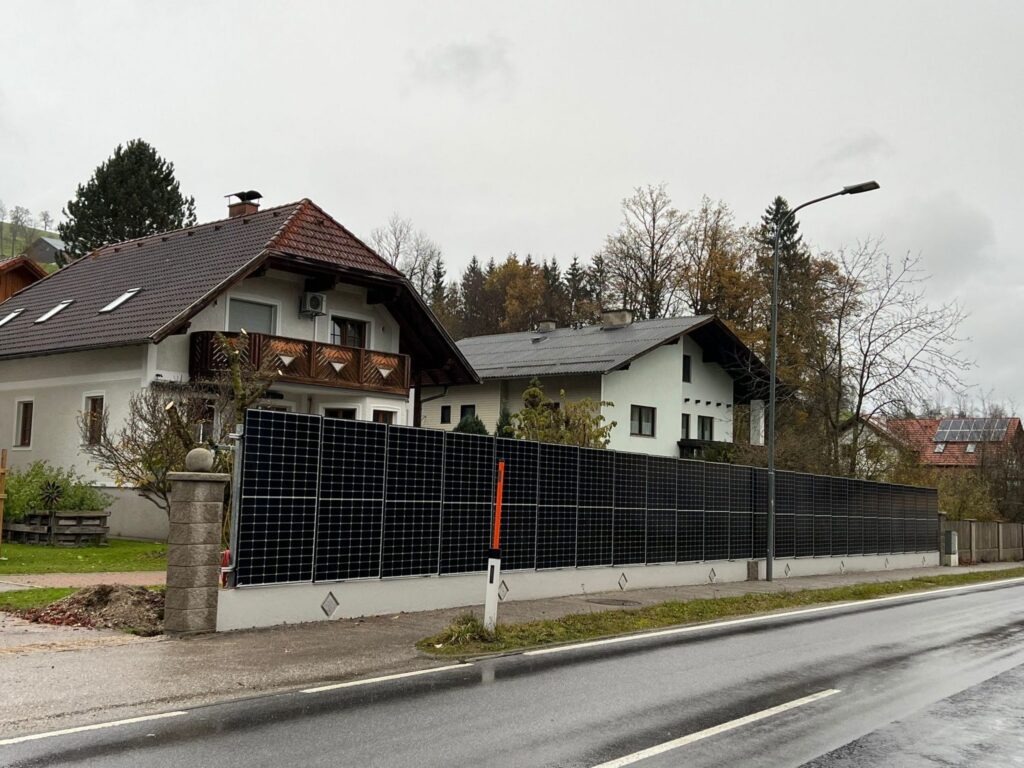
Fence Application

The Way Out

These increases in demand will put a strain on the state’s electric grid. However, by investing in #renewableenergy and #energyefficiency, California can meet this demand in a sustainable way. BUT – how do we get there?

The shift to #electrifyeverything has to be countered by more generation capacity. One way to address this problem is to increase the amount of renewable energy generation in urban areas. #Verticalsolar is a promising option for generating renewable energy in cities.

Vertical Solar – Railing Application

Vertical Solar

Vertical solar panels can be installed on the sides of buildings, bridges, fences, sound walls, and other structures. This makes them a good fit for urban areas, where there is often limited space for traditional solar panels. As this is a very new field of application for solar modules, not all applications and advantages have been discovered. Some are:

  • Saving space: The vertical installation of #bifacialpvmodules can generate more electricity per square foot.
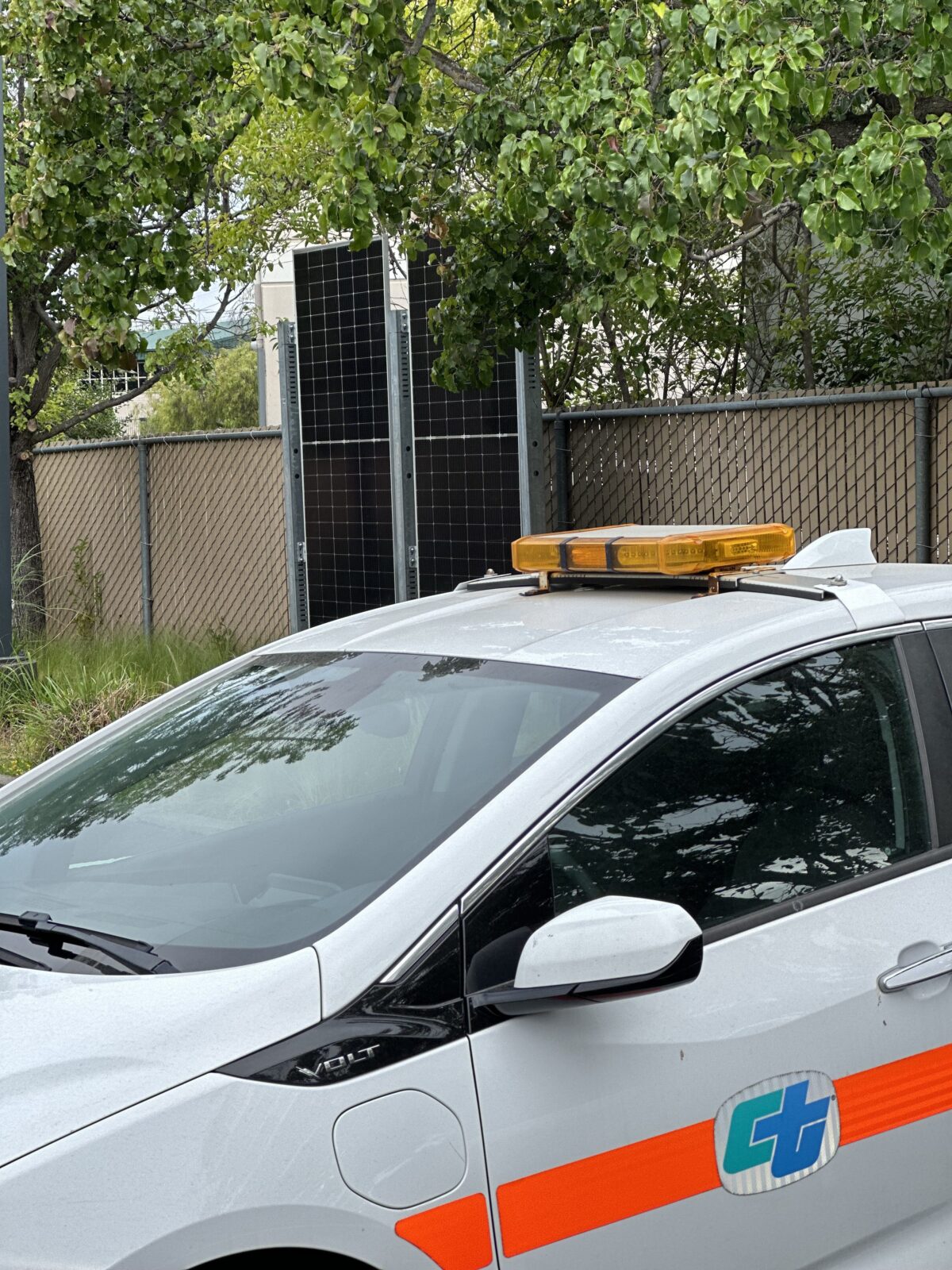
  • Innovative Use Cases: The vertical design offers new ways to install solar in urban areas that are not suitable for conventional installations like parking lots or gas stations.
  • Noise Reduction: Vertical solar panels also have the potential to reduce noise pollution. The panels can be used to absorb sound waves, which can help to create a more peaceful environment.
  • Dual Use: They can be used to provide #shade, to create privacy, or to even act as a #barrier.
  • Increased property value: Studies have shown that homes with solar panels sell for more than homes without solar panels.
  • Reduced carbon footprint: Solar panels generate electricity without emitting any greenhouse gases. This can help to reduce the carbon footprint of a building or city and support ESG efforts!
  • Improved resilience: A localized energy system is more resilient to natural disasters and other disruptions. If one part of the system is damaged, the other parts can continue to operate.
  • Local Economic Benefits: Localized energy production can create jobs and boost the local economy. The installation and maintenance of solar panels, for example, requires skilled workers.
  • Less Transmission: Less need for costly new transmission and distribution level projects.
  • Need & Speed: Vertical solar solutions can be installed where they are needed – like next to EV charging stations paired with storage – and when they are needed.
Parking Lot Application

Conclusion

Vertical solar is a promising technology that has the potential to make a significant contribution to the future of urban energy.

#dreamvertical is key – we need to find, develop and imagine urban solutions for an #energyhungry society – #verticalsolar will be one component of the solution!

Let us know what you think at Sunzaun Sunstall Inc.

Can vegetables thrive in the shade or under blue light? How can agrivoltaics and vertical solar help conserve irrigation water and boost crop yield while providing renewable energy for the country? These questions are at the core of the research conducted by Prof. Majdi Abou Najm’s team at the University of California, Davis.

To investigate these inquiries, the researchers have set up a test field where diverse plant species are grown under varying light conditions. The field is equipped with light filters that record relevant data throughout the plant growth process.

Recently, the research facility expanded to incorporate vertical solar arrays from Sunzaun. Prof. Abou Najm and his students anticipate significant discoveries in the Water-Energy-Food nexus. But what exactly is the connection between solar panels and agriculture?

Solar and Agriculture – A Perfect Match?

The practice of growing crops underneath or alongside solar panels, known as agrivoltaics or solar farming, can have a positive impact on crop yield. There are multiple ways in which solar panels influence crop growth:

Shading and Reduced Water Requirements:
Solar panels provide shade to the crops, reducing water evaporation from the soil and alleviating water stress on the plants. Some crops benefit from reduced sunlight exposure, as excessive light can lead to stress and water loss. Shading crops under solar panels can result in lower irrigation water requirements and promote efficient water usage [source: World Economic Forum].

Cooling Effect:
Solar panels intercept sunlight and create a cooling effect, regulating temperature and reducing heat stress on crops, especially during hot weather conditions. Cooler temperatures facilitate better plant growth, enhance photosynthesis rates, and improve overall crop productivity [source: Cornell University].

Protection from Extreme Weather:
Solar panels act as a protective barrier against extreme weather events like heavy precipitation or hailstorms. They shield crops from direct impact, mitigating the risk of damage and crop loss [source: Wired].

Long-Term Economic Benefits:
Agrivoltaic systems, where solar panels and agriculture coexist, offer economic advantages. The cooling effect provided by panels enhances the longevity and efficiency of solar modules, extending their overall lifespan. This longevity translates to long-term economic benefits for farmers and solar energy producers [source: Cornell University].

Research and experiments in agrivoltaics have shown promising results. For instance, studies have demonstrated successful growth of crops such as cilantro, peppers, and tomatoes under solar panels, with comparable or improved growth rates and reduced water usage compared to crops grown in open fields [source: Wired]. By combining renewable energy generation and increased agricultural productivity, agrivoltaics presents an innovative and sustainable approach to optimize land use and support food production.

Crops Next to Vertical Solar

The research team at UC Davis chose to install the panels on Sunzaun’s vertical racking structure, which offers a small spatial footprint and allows farmers to move their harvesters between the rows. Additionally, the east and west facing bifacial panels generate most of the power in the morning and afternoon, aligning better with electricity demand compared to traditional south-facing inclined systems (read our post about the duck curve here).

This research project will contribute to find out which configurations are the best combination of agriculture and solar energy. In this way, Agrivoltaics can both make food production more resilient and decarbonize the electricity supply. Sunzaun is grateful to be part of this and is excited to see the initial research results.

If you would like to learn more about vertical solar systems for agricultural applications, feel free to contact us!

Have a Custom Boundary, Farm, or Corridor in Mind?

Speak directly with our solar infrastructure engineering team in Novato, CA to model boundary generation, wind tolerances, foundation engineering, and financial payback.